Why Professional Removal Protects Your Enamel, and What to Do at Home After Your Braces Come Off
Trying to learn how to get braces glue off teeth in Suwanee and Tucker, GA? Orthodontists typically polish off the glue using precise tools that protect your enamel, and if some residue is still present, the safest move is a follow-up visit rather than scraping it off yourself.
Braces glue is removed by your orthodontist, who polishes it off with precise tools that protect your enamel as part of braces removal. Do not scrape it off at home, because DIY methods can cause enamel damage, leave adhesive residue, and increase tooth sensitivity. If any residue remains after your braces come off, book a follow-up instead.
At NK Orthodontics, our orthodontists use professional techniques and tools, most commonly polishing tools and adhesive removers, to gently clean adhesive from your teeth.
Dr. Nick Kim and our Suwanee and Tucker team prioritize your comfort and the health of your enamel at every step, whether you started your orthodontic journey with us or transferred from another office.
Below, we explain why the glue is so strong, why DIY removal can cause enamel damage, and how orthodontists remove it safely.

What Is Braces Glue, and How Do Orthodontists Remove It?
Braces glue is a strong bonding material used to attach brackets to teeth. While it is durable enough to stay intact during treatment, it is meant to be temporary. When your braces come off, the leftover adhesive must be removed as part of the treatment process.
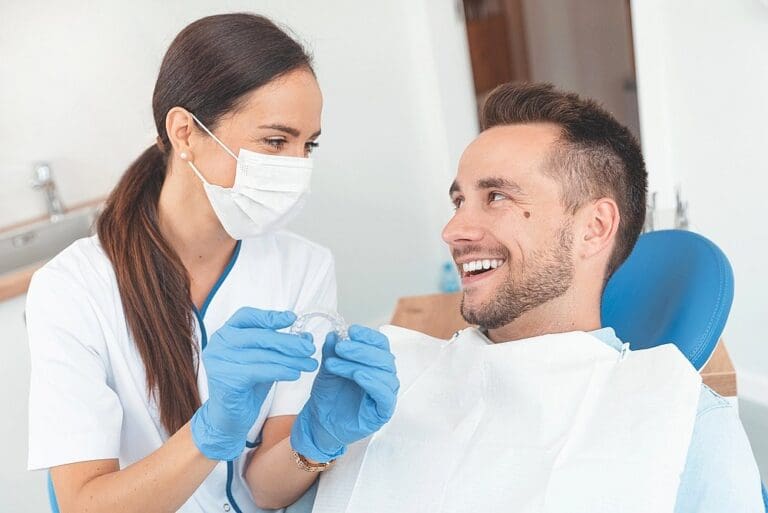
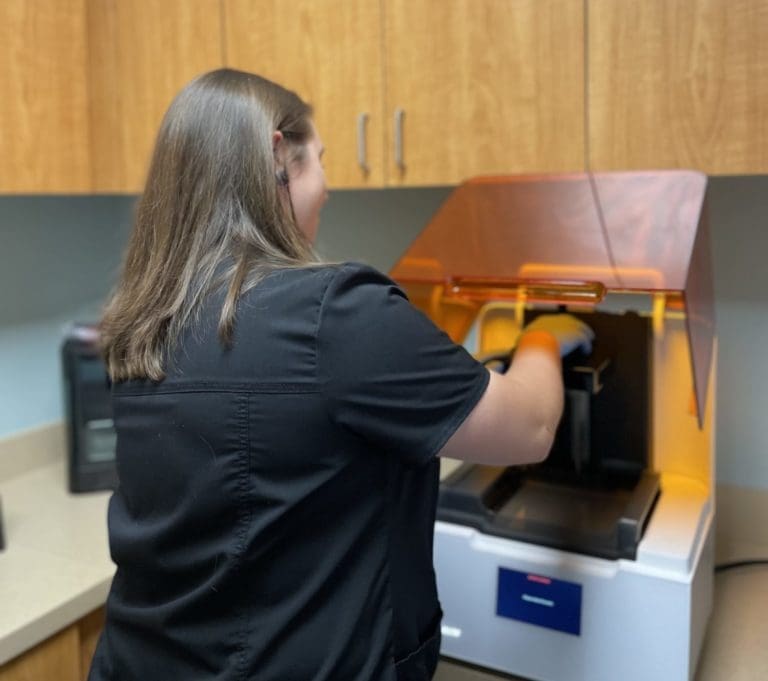
At NK Orthodontics, our orthodontists use professional techniques and tools to gently clean adhesive from your teeth. Polishing tools and adhesive removers are the most common tools for this process. These methods are safe and effective, helping your tooth enamel stay smooth and damage-free.
Why Is Braces Glue Hard to Remove?
Orthodontic adhesive is designed to stay secure through months or years of eating, brushing, and flossing. That strength makes it reliable during treatment but challenging to remove without the proper equipment.
Improper removal methods may cause:
- Residue: Sticky adhesive remnants can trap plaque and bacteria, leading to tooth decay.
- Rough patches: Uneven spots on teeth can irritate gums and make your bite feel uncomfortable.
- Enamel damage: Using the wrong technique may leave scratches that cause permanent harm to your tooth enamel.
Orthodontists use safe adhesive removal tools, such as polishing instruments, to remove glue during your braces removal. Professional techniques carefully remove stubborn glue without leaving rough patches or harming your enamel. According to Dr. Jason Berk, an orthodontist at Gramercy Orthodontics in New York, NY, leaving adhesive removal to your orthodontist is the safest way to keep your enamel smooth and undamaged after your braces come off.
Why DIY Adhesive Removal Is Risky
You might consider removing braces glue yourself, but this can be harmful. Most DIY methods are unsafe and often make problems worse. Here is why professional care is the better option.
1. Enamel Damage
People often try scratching off glue with tools like scissors, knives, or needles. These sharp objects can leave permanent scratches on your enamel. Damaged tooth enamel cannot repair itself, which puts the tooth at greater risk of decay or cavities.
2. Adhesive Residue
Home remedies like scrubbing with baking soda paste rarely remove all the glue. Leftover adhesive creates rough areas that can trap bacteria, food particles, or plaque. Over time, these spots may lead to discoloration or buildup.
3. Tooth Sensitivity
DIY methods that use harsh substances, such as lemon juice or vinegar, can expose sensitive parts of teeth. This may make eating and drinking painful, especially with hot or cold foods. At-home removal techniques may also irritate your gums or interfere with a healthy oral hygiene routine.
Mistakes to Avoid When Removing Braces Glue
Protect your teeth by avoiding these mistakes:
- Sharp tools: Scraping teeth with scissors or knives can scratch or damage enamel, leaving permanent marks.
- Abrasive substances: Harsh items like baking soda paste or lemon juice can wear down enamel and weaken your teeth.
- Whitening too soon: Avoid whitening toothpaste or other whitening products right after braces adhesive removal. Teeth are often sensitive after glue removal, and whitening can cause discomfort.
How to Care for Teeth After Braces Glue Removal
After the glue is removed, good oral hygiene is essential. Follow these steps to protect and strengthen your teeth.
1. Brush and Floss Every Day
Use a soft-bristle toothbrush to clean your teeth twice daily with fluoride toothpaste. Fluoride strengthens enamel and helps prevent plaque buildup. Floss at least once a day to remove debris from between your teeth. If flossing is difficult, a floss threader or water flosser can make the job easier.
2. Rinse with Salt Water
You may feel slight gum tenderness after braces glue removal. To soothe irritation, mix half a teaspoon of salt into a cup of warm water and swish the solution for about 30 seconds, two to three times daily, until your gums feel better.
3. Use a Fluoride Mouthwash
Add a fluoride mouthwash to your nightly routine for extra protection. Fluoride helps rebuild weakened enamel and fights plaque, and regular rinsing leaves your teeth smooth and shiny.
4. Avoid Hard or Sticky Foods
After the removal procedure, avoid foods like candy, nuts, or chewing gum, which can cause sensitivity or damage soft tooth surfaces. Softer foods like yogurt, mashed potatoes, or scrambled eggs are gentler on enamel.
Long-Term Tips for Strong and Healthy Teeth
Taking care of your teeth after braces removal helps keep them strong and smooth for years to come:
- Brush and floss daily: Never skip brushing and flossing, since they prevent plaque buildup.
- Visit your dentist regularly: Schedule professional cleanings every six months to keep your enamel strong.
- Eat enamel-friendly foods: Include leafy greens, yogurt, and cheese in your diet, and avoid sugary sodas or sweets, which can harm enamel over time.
DIY Removal vs Professional Removal
| Method | Who Does It | What Can Happen |
| Scraping with scissors, knives, or needles | DIY | Permanent scratches on enamel, which cannot repair itself and raise the risk of decay or cavities |
| Scrubbing with baking soda paste | DIY | Rarely removes all the glue and can leave rough areas that trap bacteria, food particles, and plaque |
| Lemon juice or vinegar | DIY | Can expose sensitive parts of teeth, making hot and cold foods painful, and may irritate gums |
| Whitening products right after removal | DIY | Teeth are often sensitive after glue removal, so whitening can cause discomfort |
| Polishing tools and adhesive removers | Your orthodontist | Adhesive is cleaned off gently, leaving enamel smooth without rough patches or damage |
When Home Care Isn’t Enough
If some adhesive residue is still on your teeth after your braces come off, avoid trying to scrape it off yourself. Rough patches and leftover adhesive are exactly what professional polishing tools are designed to handle, and home methods tend to make them worse. The safest step is to book a follow-up so your orthodontist can finish the job without harming your enamel.
Mild sensitivity for a few days after glue removal is normal. Using fluoride toothpaste and avoiding very hot or cold foods can help until it fades.
Questions About Braces Glue Removal Before You Book?
It helps to arrive with a list of questions about the procedure or aftercare tips, and our team will walk you through both. The appointment length and comfort level described here are typical rather than guaranteed, and your orthodontist will tell you what to expect for your own teeth.
If you would like to ask something before booking, you can reach our team through our Contact Us page.
What to Expect at Your Braces Glue Removal Appointment
At NK Orthodontics in Suwanee and Tucker, braces adhesive removal is a simple and stress-free process. Here is what to expect before, during, and after your visit.
Before Your Appointment
Brush your teeth thoroughly beforehand to remove any plaque or food particles. Avoid sticky or hard foods, and prepare a list of questions about the procedure or aftercare.
During Your Appointment
Your orthodontist uses professional tools to gently remove adhesive from your teeth, and polishing tools carefully smooth the enamel without causing harm. The entire removal process takes around 30 to 45 minutes and is pain-free for most patients.
After Your Appointment
Stick to a good oral hygiene routine after your visit. Brush with fluoride toothpaste, floss regularly, and avoid foods that may damage enamel. Your orthodontist will also provide additional aftercare tips.
Why Patients Choose NK Orthodontics
Our team provides expert care to make glue removal easy and safe, using advanced tools and gentle techniques to leave your teeth smooth, clean, and free of adhesive. Whether you started with us or transferred from another office, we provide personalized care tailored to your needs, along with clear care tips to keep your teeth healthy during and after the procedure.
FAQs: Braces Glue Removal in Suwanee and Tucker, GA
Will my teeth feel sensitive after the glue is removed?
Some people notice mild sensitivity for a short time after the glue is taken off. This is normal and usually goes away within a few days. Using fluoride toothpaste and avoiding very hot or cold foods can help until the sensitivity fades.
Can braces glue stain your teeth?
The glue itself does not usually stain teeth. Any spots or color changes are usually caused by plaque that builds up around the brackets during treatment. Good brushing and regular cleanings help prevent this. After the glue is removed and the teeth are polished, they should look smooth and even in color.
How long does braces glue last on teeth?
The glue used for braces is made to stay on your teeth for the whole time you wear the braces. It is strong enough to hold the brackets in place, but it is not permanent. When your braces are removed, the glue is removed during the same appointment.
Can I remove braces glue at home with baking soda or lemon juice?
It is best not to. Baking soda paste rarely removes all the glue and can leave rough areas that trap bacteria and plaque, and harsh substances like lemon juice or vinegar can wear down enamel and cause sensitivity. If residue is still present, book a follow-up so your orthodontist can remove it safely.
How long does braces glue removal take?
The entire removal process takes around 30 to 45 minutes and is pain-free for most patients. Your orthodontist uses professional polishing tools to gently remove the adhesive and smooth your enamel, then gives you aftercare tips for your visit.
Sources: Clinical descriptions of braces adhesive removal, risks of DIY methods, and aftercare as provided by NK Orthodontics, Suwanee and Tucker, GA.

Related Reading:
Ready for a Smooth, Glue-Free Smile?
At NK Orthodontics in Suwanee and Tucker, GA, your consultation covers how braces adhesive removal works and the aftercare tips that keep your enamel healthy.
Schedule Your Free Consultation
Free consultation for new patients.